
Tile Leveling Systems – The Fastest Way to Achieve Flawless, Flat Tile Installations
For professional tilers and contractors, achieving a perfectly flat, lippage-free tile installation is non-negotiable. It’s the hallmark of quality workmanship and a critical requirement for large-format tiles. Enter the modern solution: Tile Leveling Systems (TLS). This innovative toolset has revolutionized the trade, transforming a traditionally skill-intensive and time-consuming process into a faster, more predictable, and superior-quality operation.
What Are Tile Leveling Systems and How Do They Work?
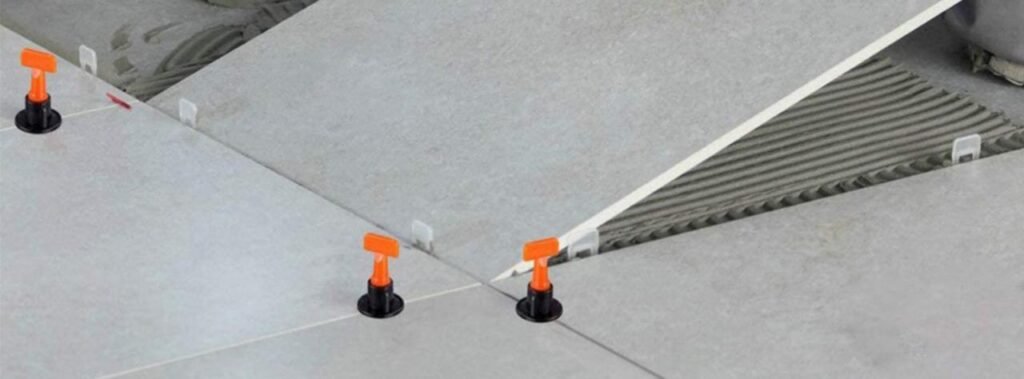
A Tile Leveling System is an engineered set of components designed to mechanically align and level adjacent tiles during installation. It eliminates guesswork and manual adjustment, ensuring all tiles cure in the same plane. The core system typically consists of three parts:
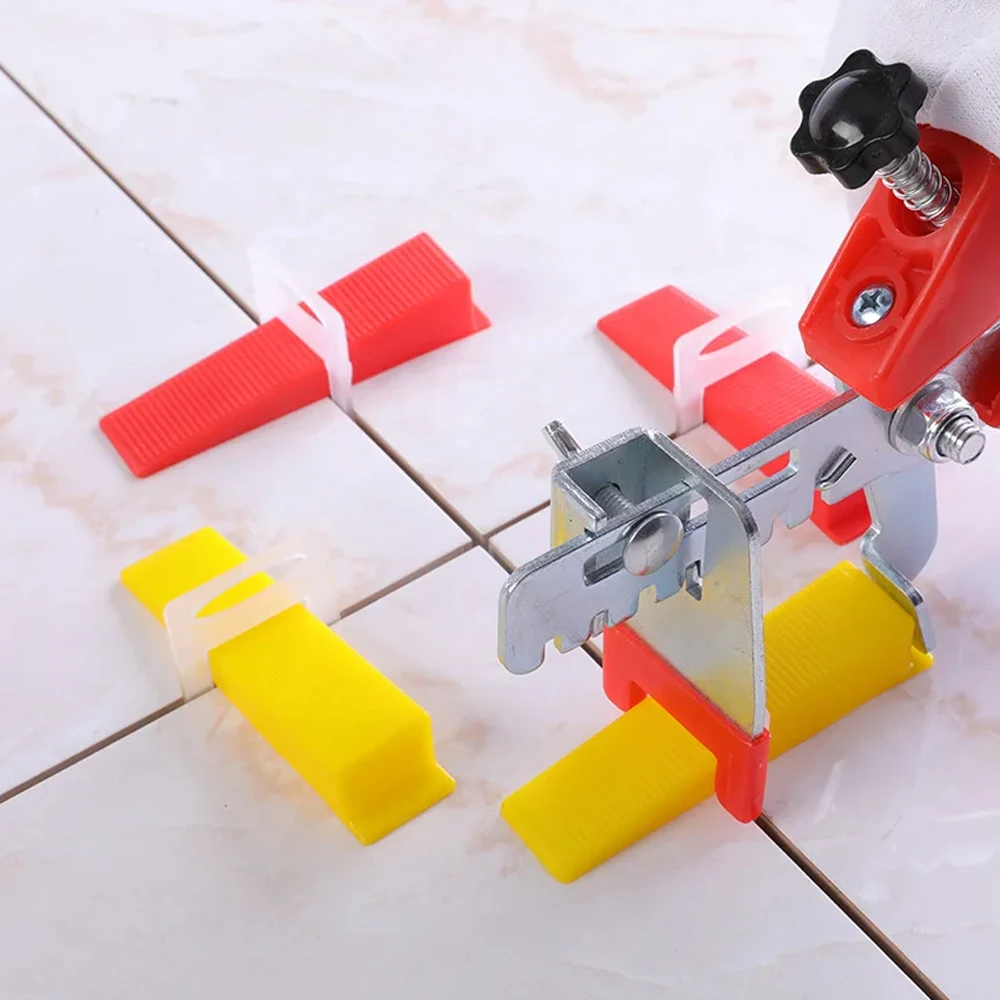
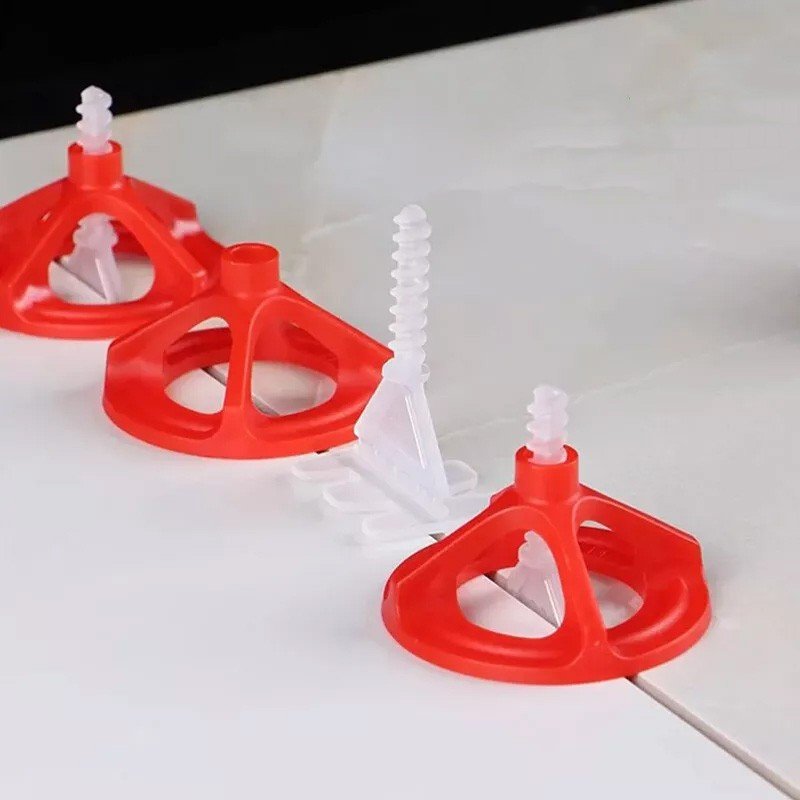
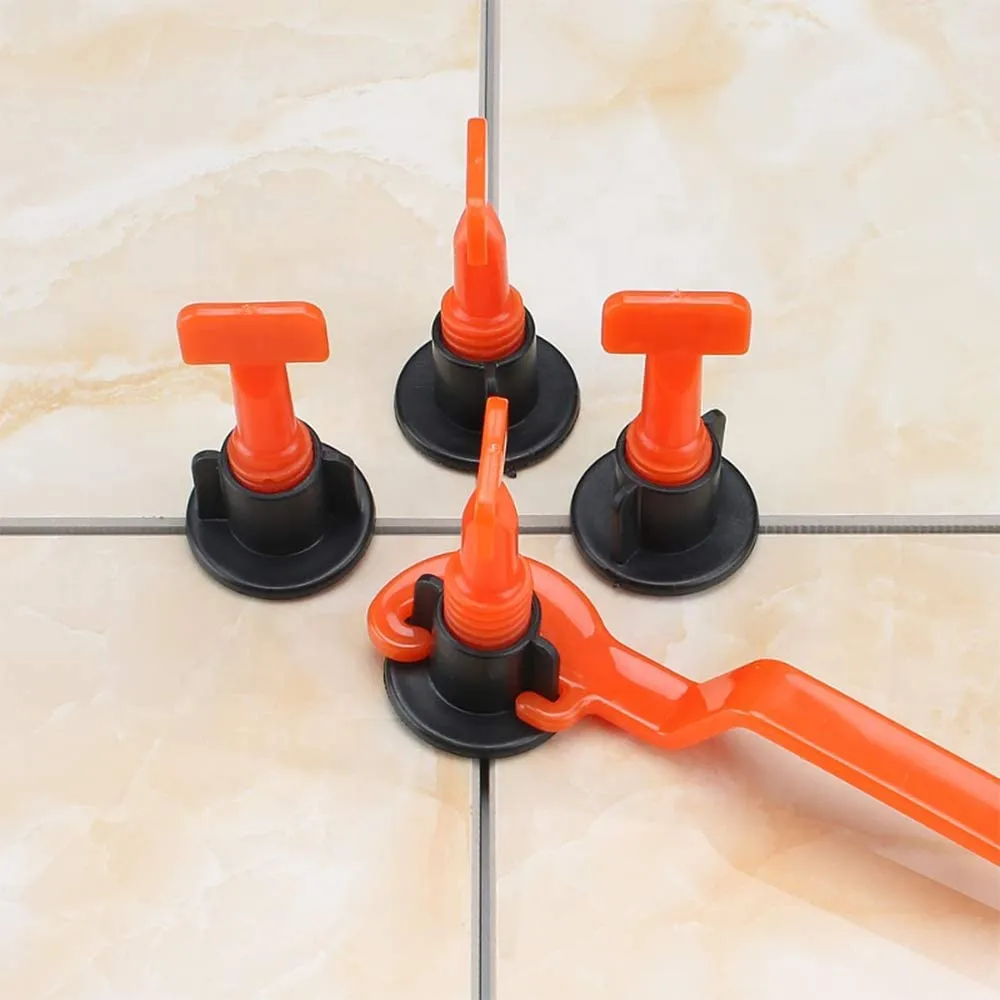
Clips (or Bases/Stems): These are small, reusable plastic or polymer components placed at the intersection of four tiles (under the corners). They sit directly on the substrate within the adhesive bed and feature a locking mechanism or a protruding stem. Their primary function is to define the joint width and provide an anchor for leveling tension.
Wedges (or Caps/Straps): These are the tensioning elements. They are inserted into or over the clips. As they are tightened—often by hand or with a specialized tool—they apply even, upward pressure on the tile edges, pulling them into precise alignment. Wedges come in various designs, including push-down caps, twist-in straps, or screw-type mechanisms.
Installation Tool (Pliers/Wrench): A dedicated, often ergonomic, tool is used to efficiently and consistently tension the wedges. It ensures uniform pressure is applied without damaging the tile edges, making the process faster and less physically demanding.
The Step-by-Step Advantage: How TLS Streamlines Installation
Prepare & Apply Adhesive: As always, start with a flat, stable, and clean substrate. Comb the tile adhesive onto the surface using an appropriate notched trowel.
Set Tiles & Place Clips: Lay your tile into the adhesive. Immediately place the leveling clips at the tile corners where they will meet the next tile. The clip’s base slides under the tile edge.
Set Adjacent Tile & Engage System: Place the next tile, fitting its edge over the same clip. Insert the corresponding wedge into the clip’s mechanism between the two tiles.
Apply Tension: Using the specific tool, tighten the wedge. This action draws the two tile edges down and into perfect alignment, eliminating any lip (height difference). The system holds this tension.
Repeat & Let Cure: Continue this process across the entire installation. The adhesive cures with the tiles held in perfect plane by the system.
Break & Remove: Once the adhesive has fully set (usually after 24 hours), the protruding part of the system is easily removed. Most wedges are designed to be snapped off cleanly at the joint line, leaving a flush surface ready for grouting. Clips remain embedded, unseen beneath the tiles.
Key Advantages for Professionals and Large Projects
Unmatched Speed & Efficiency: Dramatically reduces the time spent on constant checking, tapping, and adjusting tiles with a mallet and level. This accelerates project timelines, especially crucial for large commercial floors or tight-schedule renovations.
Guaranteed Flatness: Virtually eliminates lippage, ensuring compliance with industry standards (like ANSI A108.02) and client expectations for a flawless finish. This is critical for large-format, rectified porcelain tiles where even minor unevenness is glaringly obvious.
Reduced Material Stress & Breakage: Even, controlled tension minimizes stress points on tiles during setting, lowering the risk of cracking, especially in sensitive materials like thin porcelain panels or natural stone.
Easier for All Skill Levels: While experts can achieve perfection faster, the system also allows less experienced installers to achieve professional-grade results consistently, reducing callbacks and rework.
Perfect for Large Formats: The larger the tile, the harder it is to manually control lippage across its entire span. TLS provides support at multiple points, making large-format tile installation more manageable and reliable.
Choosing the Right System for Your Project
Not all TLS are identical. Key selection factors include:
Tile Thickness: Systems offer different clip heights (e.g., 1.5mm, 2mm, 3mm) to accommodate thin tile, standard body, or thick stone.
Joint Width: Clips are designed for specific grout joint widths (e.g., 1.5mm, 2mm, 3mm). Choose a system that matches your desired joint.
Tile Size & Layout: For very large tiles (e.g., 1200x2400mm), a system with a continuous strap/wedge that runs along the entire edge may provide better support than individual corner clips.
Material & Reusability: High-quality polymer wedges and tools are durable for multiple uses. Consider the balance between disposable and reusable components based on your project volume.
Pro Tips for Optimal Results
Substrate is Still King: A TLS compensates for minor inconsistencies but cannot fix an uneven substrate. Proper substrate preparation remains the first and most critical step.
Don’t Skimp on Adhesive Coverage: Maintain proper adhesive bed coverage (85-95% for floors, 80%+ for walls) to ensure full support. The system aligns the tiles but does not replace proper bonding.
Follow Manufacturer Timing: Adhere to the recommended time window for placing clips and tensioning wedges after setting the tile into the adhesive.
Removal Timing: Wait for the adhesive to fully cure before removing the tensioning elements to prevent any tile movement.
Conclusion
For contractors and installers aiming for efficiency, quality, and client satisfaction, a professional-grade Tile Leveling System is no longer a luxury—it’s an essential tool. It represents a smart investment that pays off through faster installation times, reduced material waste, and consistently flawless results that elevate your workmanship above the competition. In the quest for perfect tiling, it truly is the fastest and most reliable path to a perfectly flat surface.