
Top 10 Tile Trim Materials For Modern Interiors
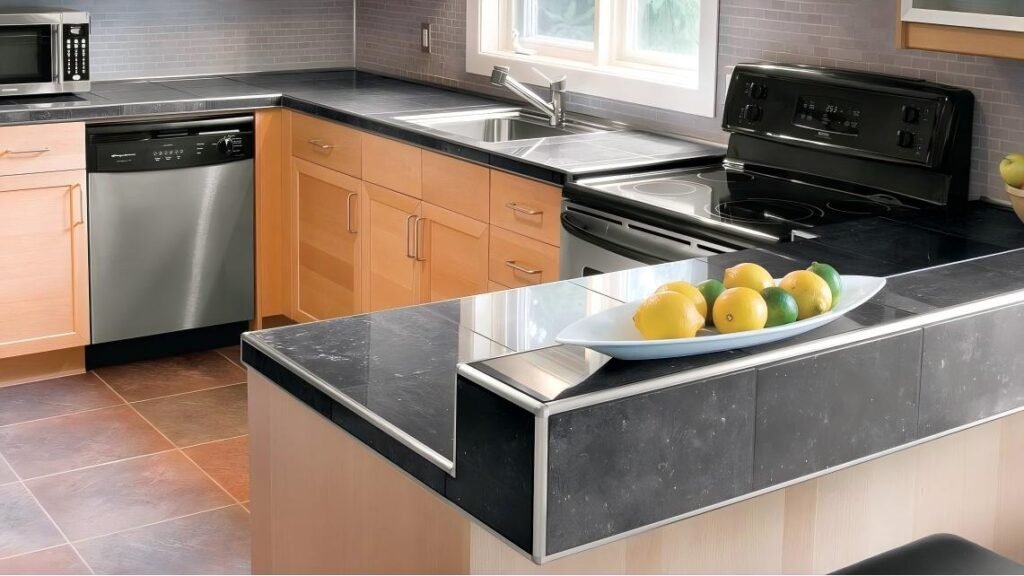
Tile trim has evolved from a functional element to a key design feature in contemporary interiors. From kitchens and bathrooms to commercial spaces, the right tile trim material not only protects edges but also elevates the entire aesthetic.
Understanding different tile trim materials is essential for creating lasting, beautiful installations.
In this guide, we explore 10 essential tile trim materials that dominate 2025’s design trends, helping you choose the perfect match for your project’s functional needs and style vision.
Table of Contents
What Is Tile Trim?
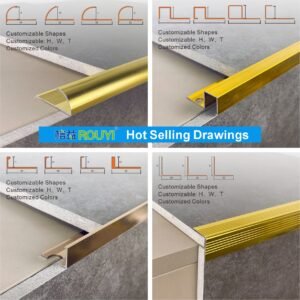
Tile trim is a protective and decorative profile used to finish exposed tile edges. It creates clean transitions between surfaces while preventing chipping, moisture penetration, and wear. Beyond protection, modern tile trim adds architectural detail, transforming ordinary installations into polished, professional finishes.
Why Is Tile Trim Essential?
The importance of tile trim extends far beyond basic protection:
- Edge Protection: Shields vulnerable tile edges from impact and daily wear
- Moisture Barrier: Prevents water infiltration in wet areas like showers and kitchens
- Safety Enhancement: Rounds off sharp edges, crucial for families with children
- Aesthetic Completion: Creates intentional, finished transitions between materials
- Design Cohesion: Unifies different surfaces and materials with clean lines
5 Essential Tile Trim Materials
1. Aluminum Tile Trim

Lightweight yet incredibly durable, aluminum trim offers excellent corrosion resistance with a modern, sleek appearance. Its flexibility allows for easy installation while maintaining structural integrity. Available in anodized, powder-coated, or brushed finishes, aluminum adapts to both residential and commercial applications with timeless appeal.
2. Stainless Steel Tile Trim
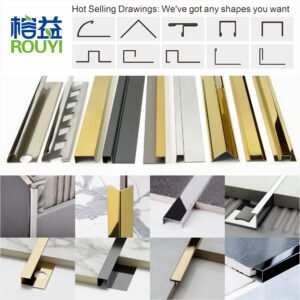
The premium choice for high-traffic areas, stainless steel provides unmatched durability and a sophisticated metallic finish. With natural resistance to rust and corrosion, it’s ideal for wet environments, healthcare facilities, and luxury projects. The material’s inherent strength ensures edges remain pristine for years.
3. PVC Tile Trim
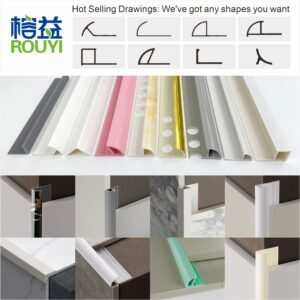
A versatile, economical option that doesn’t compromise on performance. PVC trim offers excellent water resistance and flexibility, making it perfect for curved walls and budget-conscious projects. Modern manufacturing techniques allow for realistic woodgrain and stone finishes, expanding its design possibilities.
4. Stone Plastic Tile Trim
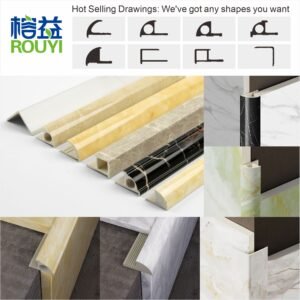
Merging natural stone particles with polymers, this innovative material offers authentic stone appearance with enhanced durability. Resistant to moisture and temperature fluctuations, it provides luxury aesthetics without the maintenance concerns of natural stone, perfect for creating seamless mineral-inspired interiors.
5.Composite Aluminum Trim
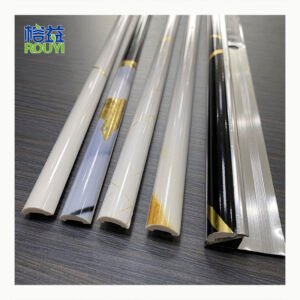
Combining aluminum’s strength with polymer flexibility, this hybrid material offers the best of both worlds. The aluminum core provides structural stability while the polymer coating allows for vibrant color options and textured finishes, creating durable, design-forward edge solutions.
How to Choose the Right Tile Trim Material?
Selecting the perfect tile trim involves considering multiple factors:

1.Assess Functional Requirements
Determine the primary purpose: is it for heavy protection, moisture resistance, or purely decorative? High-traffic commercial spaces demand durable metals, while residential bathrooms might prioritize water resistance and safety.
2.Consider Design Harmony
The trim should complement your tiles and overall design scheme. Match metal finishes to existing hardware, or use contrasting colors to create intentional design statements. Consider whether you want the trim to blend in or stand out as a feature.
3.Evaluate Installation Environment
Wet areas require non-corrosive materials like stainless steel or PVC. Curved surfaces need flexible options, while straight runs can utilize rigid metals. Consider temperature variations and exposure to chemicals or cleaning agents.
4.Balance Budget and Longevity
While stainless steel offers premium durability, high-quality PVC can provide excellent performance at a lower cost. Consider the project’s lifespan and maintenance requirements when investing in materials.
Conclusions
The right tile trim material transforms good installations into exceptional ones. From aluminum’s modern practicality to brass’s timeless luxury, each material offers unique benefits that enhance both function and beauty. Understanding these options ensures your choices will stand the test of time while achieving your design vision.
For projects requiring reliable tile trim solutions, RONGYI brings 16 years of manufacturing expertise. We specialize in customizing trim profiles across all materials to meet your specific project requirements. Contact us to discover how our precision-engineered solutions can enhance your next installation.