
What can I use instead of Tile Edge Trim?
For wholesale buyers, project contractors, and engineering companies, tile edge trim is widely used—but in real projects, it’s not always the only or preferred solution. Budget constraints, design intent, local construction standards, or labor skill levels may lead clients to ask: what can I use instead of tile edge trim?
Below is a contractor-focused, practical guide to the most common alternatives, including when they make sense—and when tile edge trim is still the better commercial choice.

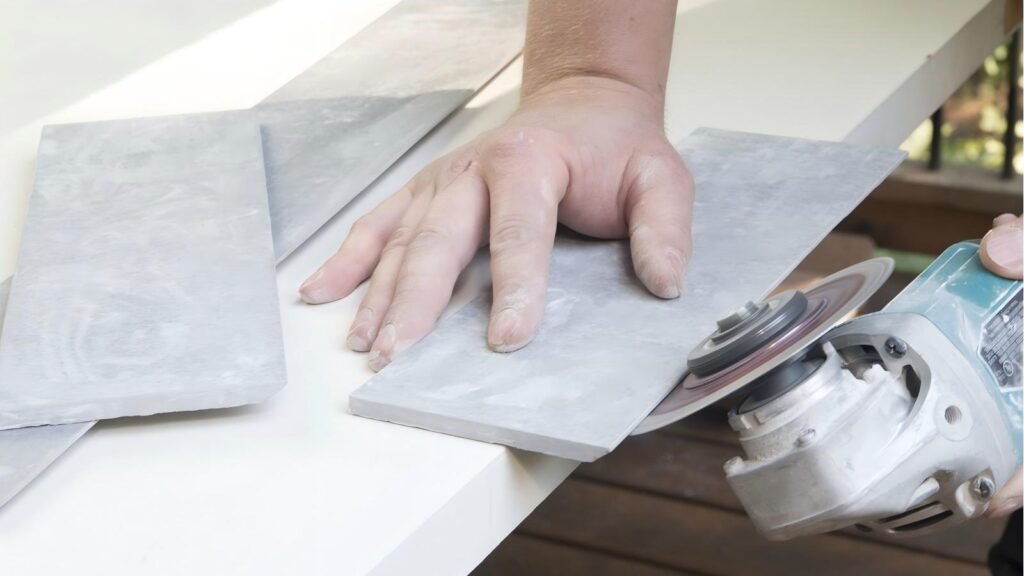
1. Mitered Tile Edges (45° Cut Corners)
Mitering tiles at a 45-degree angle creates a clean corner without visible trim.
Pros for Engineering Projects
High-end, seamless appearance
No additional accessory procurement
Preferred in luxury residential and hospitality projects
Cons
Requires skilled labor and precision cutting
Higher labor cost and installation time
Edges are more prone to chipping over time
Best used for: Premium projects with experienced installers and controlled timelines
2. Bullnose or Finished-Edge Tiles
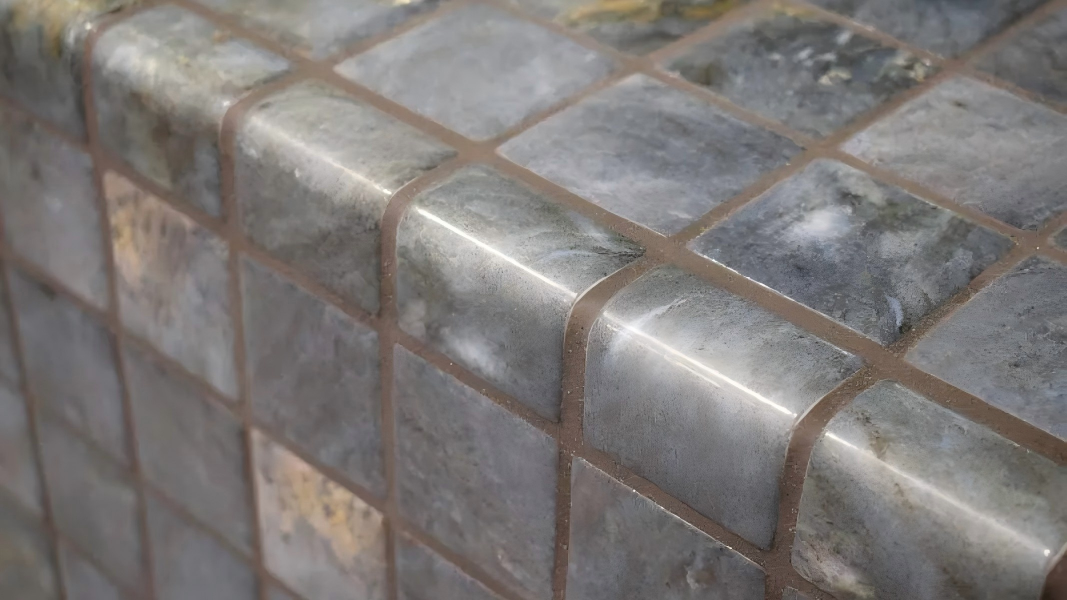
Bullnose tiles come with a factory-rounded edge, eliminating the need for trim.
Pros for Wholesale Buyers
Integrated finish matching the tile body
Simplified installation process
Clean, traditional look
Cons
Limited availability across tile collections
Higher tile unit cost
Longer sourcing lead times for bulk orders
Best used for: Residential developments, standard commercial bathrooms
3. Grout or Cement-Finished Edges
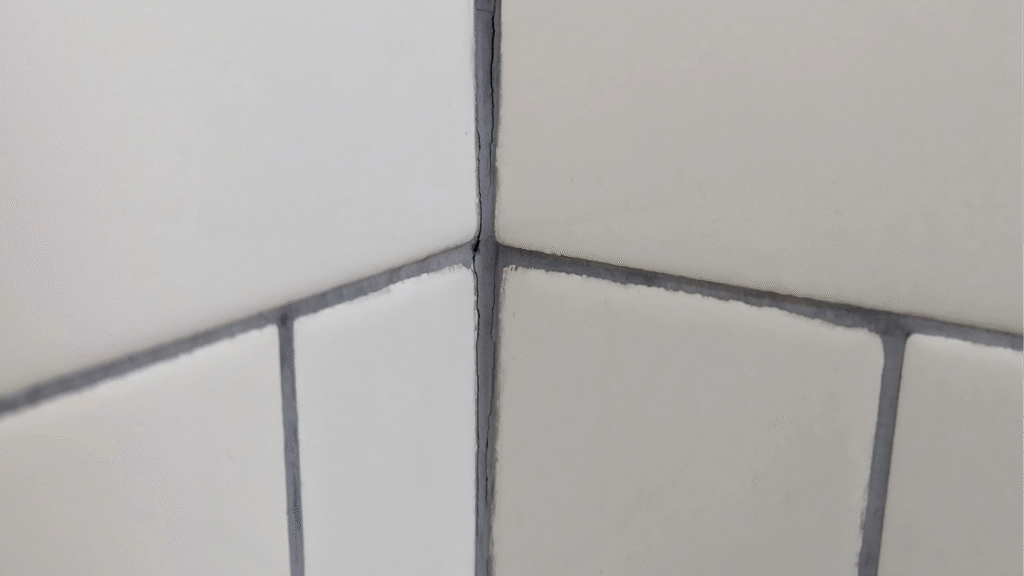
Some projects finish exposed tile edges with grout or color-matched cement.
Pros
Lowest material cost
No additional SKUs or inventory
Fast sourcing for urgent projects
Cons
Minimal edge protection
Lower durability in high-traffic or wet areas
Appearance is less professional
Best used for: Utility spaces, budget-driven or temporary installations
4. Stone, Quartz, or Solid Surface Borders
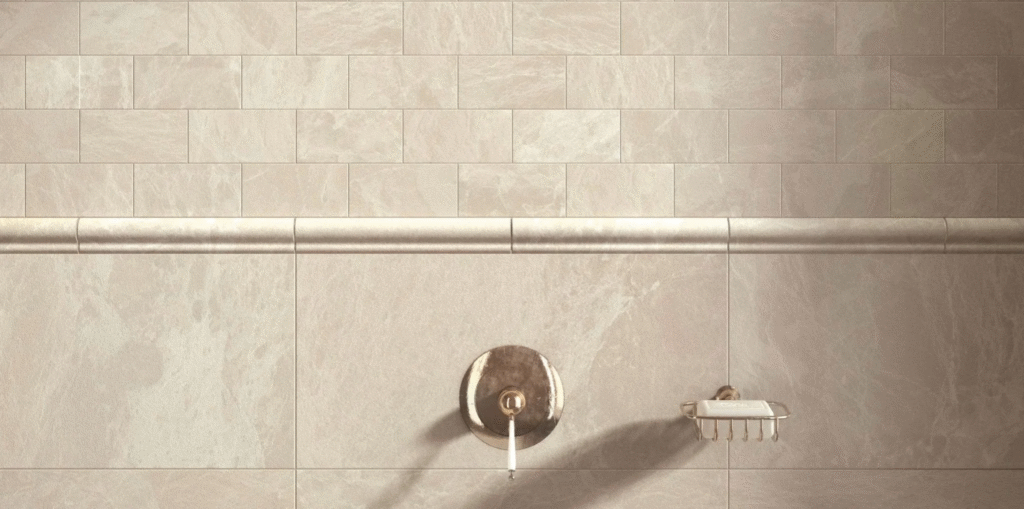
Natural stone or engineered surfaces can replace tile trim at exposed edges.
Pros
Premium architectural finish
High durability and visual impact
Suitable for custom commercial interiors
Cons
Higher material and fabrication cost
Complex logistics and installation
Not ideal for large-scale standardized projects
Best used for: High-end commercial, retail, or architectural projects
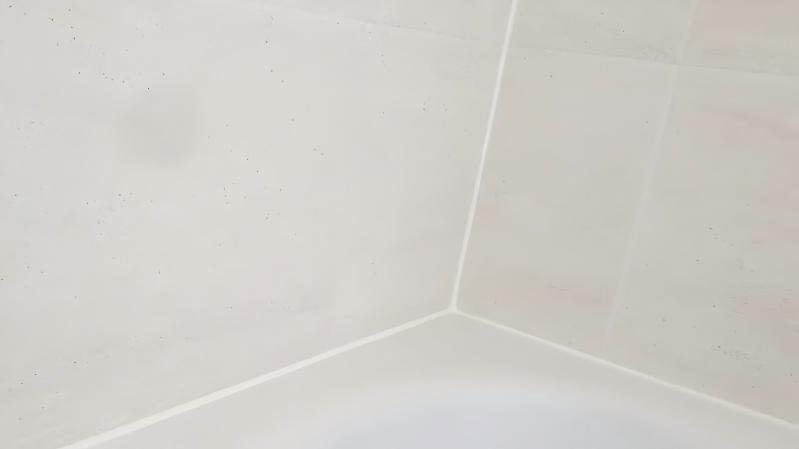
5. Sealant or Expansion Joint Finish
Flexible sealants are sometimes used instead of trim at transitions.
Pros
Allows structural movement
Low material cost
Quick installation
Cons
No decorative function
Requires ongoing maintenance
Not suitable for exposed tile edges
Best used for: Expansion joints, industrial or functional areas
Why Tile Edge Trim Is Still Preferred in Wholesale & Engineering Projects
Although alternatives exist, tile edge trim remains the most scalable and cost-effective solution for most commercial and bulk projects:
Protects tile edges from impact and moisture
Reduces long-term maintenance and callbacks
Standardized sizes for bulk purchasing
Faster installation and consistent quality
Available in aluminum, stainless steel, PVC, and custom finishes
For contractors managing timelines and wholesalers supplying large volumes, tile edge trim offers the best balance of cost control, durability, and visual consistency.
Conclusion for Wholesalers & Contractors
If you’re considering what to use instead of tile edge trim, the decision should be based on project positioning, labor skill, budget, and delivery timelines. While options like mitered edges or bullnose tiles work in specific cases, tile edge trim remains the most reliable, standardized, and contractor-friendly solution for the majority of commercial projects.
For bulk orders, private labeling, or project-based specifications, sourcing tile edge trim directly from a professional manufacturer can significantly improve supply stability, installation efficiency, and overall project margins.