
Will Aluminum Tile Trim Rust?
A common fear when choosing metal finishes for bathrooms or kitchens is the dreaded appearance of rust. Homeowners and contractors alike worry that a beautiful tile installation could be ruined by unsightly reddish-brown stains creeping from the edges.
The straightforward answer is: No, aluminum tile trim cannot rust. Rust is a specific chemical reaction (forming iron oxide) that only occurs in metals containing iron. Since pure aluminum and its common alloys contain no iron, they are physically incapable of rusting. However, it’s crucial to understand that while rust isn’t a concern, aluminum can undergo a different process called oxidation or corrosion, which manifests as a dull, chalky white or grey powder on the surface.
Understanding this key difference is essential for making informed material choices and ensuring the long-term beauty of your tiled spaces.
The Science: Rust vs. Aluminum Oxidation
The confusion stems from using “rust” as a blanket term for all metal degradation. The processes are fundamentally different:
| Feature | Rust (Iron Oxide) | Aluminum Corrosion (Aluminum Oxide) |
| Appearance | Reddish-brown, flaky | Chalky white or grey powder |
| Cause | Iron + Oxygen + Water | Aluminum + Oxygen |
| Effect | Destructive, flakes away | Protective, forms a hard layer |
| Metal Affected | Iron and Steel | Aluminum |
Why Does Aluminum Corrode and How to Prevent It?
While the natural oxide layer offers good protection, certain conditions can break it down or cause a more aggressive, unsightly reaction (that chalky powder). The main culprits are:
Prolonged Moisture & High pH: Constant wetness, especially in combination with alkaline substances like cement grout or some cleaning chemicals, can attack the oxide layer.
Galvanic Corrosion: This occurs when aluminum is in direct physical contact with a more “noble” metal (like copper or untreated steel) in the presence of an electrolyte (water). An electrochemical reaction speeds up the corrosion of the aluminum. This is critical to avoid in installation.
Low-Quality or Unfinished Aluminum: Trim made from inferior alloys or without a protective finish is far more susceptible.
| Environment | Effect on Raw Aluminum | Recommendation |
| Dry, Inland | Very slow, mostly cosmetic corrosion over many years. | Standard aluminum might be okay, but anodized is better. |
| Humid, Rainy | Moderate corrosion, white powder will form. | Anodized aluminum is highly recommended. |
| Coastal/Salty Air | Aggressive pitting and corrosion due to salt. | Anodized or powder-coated finish is essential. |
| Industrial/Polluted | Can be aggressive due to acid rain and pollutants. | Anodized or powder-coated finish is essential. |
The Solution: Choose the Right Finish
The key to ensuring your aluminum trim remains pristine is selecting a product with a engineered protective finish. For tile trim, two processes are paramount:
Anodizing: This is not a paint or coating. It is an electrochemical process that thickens and strengthens the natural aluminum oxide layer, making it integral to the metal. Anodized aluminum offers superior durability, UV resistance (won’t fade), and excellent corrosion resistance, making it the top choice for wet areas (showers, kitchens) and outdoor applications.
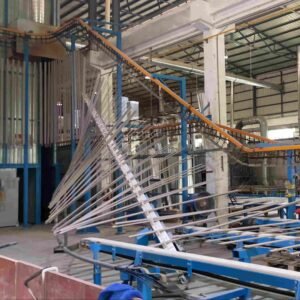
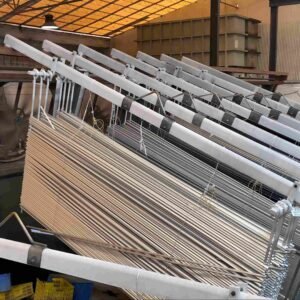
Powder Coating: This involves applying a dry polymer powder electrostatically and then curing it into a hard, continuous film. It provides a thick, physical barrier against moisture and chemicals and is available in virtually any color (RAL, Pantone). Quality powder coating offers outstanding protection and aesthetic flexibility for indoor use.
Best Practices for Lasting Performance
To guarantee your aluminum tile trim looks perfect for years:
Specify the Finish: Always choose anodized or high-quality powder-coated aluminum trim from a reputable manufacturer.
Install with Compatible Materials: Use only stainless steel or plastic fasteners, clips, and adjacents. Never let aluminum directly contact bare steel, copper, or brass.
Clean Gently: Use pH-neutral cleaners. Avoid harsh abrasive pads or acidic/alkaline cleaners that can damage the finish.
Conclusion and Your Trusted Partner
In summary, aluminum tile trim is an excellent, rust-proof choice for modern interiors. By understanding that its enemy is corrosion—not rust—and by specifying the right protective finish (especially anodizing for wet areas), you can enjoy its sleek, durable benefits with complete confidence.
At RONGYI, we specialize in manufacturing premium aluminum tile trim. Our products are crafted from high-grade 6063-T5 alloy and are available with either durable anodized finishes or our extensive range of powder-coated colors. With over 16 years of expertise, we ensure every piece meets the highest standards for performance and aesthetics, whether for a residential bathroom or a demanding commercial project.